
Usually, your smile is the first thing people notice about you: it reflects your face, personality and state of being. However, healthy smile is not just about aesthetics, it is also an important part of your health in general. If you neglect your oral hygiene your problems don’t just stop at cavities and gum disease but go up to more serious systemic problems. In this detailed manual you will find the top dental care tips to keep your teeth and gums in solid condition. Adopting these tips is vital in remaining dazed with that flash of white, prolonging your picchu camarada still years further.
Brushing and Flossing – Your Daily Defense
Good oral hygiene consists on bedrock of effective brushing and flossing. These simple techniques are simply not something, your mouth cannot run properly without.
Brush Like a Pro: Brushing the teeth removes food particles, plaque and bacteria and avoids the problems associated with them from accumulation. Try to brush for at least two minutes, two times a day, with a soft bristled toothbrush. Gently circular your brush at a 45 degree angle to your gums. Keep an eye on every surface of your teeth (outer, inner and chewing). Your tongue should not be missed as brushing it quickly gets rid of bacteria that causes bad breath. Taking an electric toothbrush for example, these have been recommended by many dentists as they are able to clean better, and the automatic timing feature is one of its benefits.
Floss for a Deeper Clean: Brush alone is not enough so floss for a deaper clean. Plaque and food can hide between you teeth, or under your gum line, and your toothbrush bristles can’t get there. It is also very important to floss off these tough particles. Wrap the ends of the floss around the middle fingers of each hand to use about 18 inches. Curve the floss into a C shape against one tooth, and slide it up and down, curving it around the next tooth in the process, until you get to the region between the teeth. Gently is how you want to do that so you do not harm your gums. Flossing should happen every day and it’s a real game changer for cavity and gum disease prevention.
This is beyond the basics in oral hygiene maintenance.
Granted brushing and flossing are important, but there are additional practices that help when it comes to the health of your mouth.
An Antimicrobial Mouthwash: Rinsing for added protection against germs and certified protection from Plaque build up. After you brush and floss, swish for 30 seconds. However, keep in mind that mouthwash is a supplementary tool of brushing and flossing. Also use it to freshen your breath, and give your mouth an extra clean feeling.
Scraping Your Tongue:
Your tongue holds a great amount of bacteria in it which may be causing bad breath and may influence your taste buds. The bacterial film is removed by a tongue scraper effectively. All you need to do is to glide the scraper a few couple of times from back of your tongue to the front. Taking this simple step can make huge difference in terms of your oral hygiene.
Water:
Water is your mouth best friend, so stay hydrated. Drinking plenty of water gets rid of food particles and bacteria, stimulates saliva producing, and neutralizes acidic. Saliva is the body’s way of helping you defend yourself; it contains minerals that help strengthen tooth enamel and washing away bad things. Thus, maintain a water bottle all through the day.
Your diet can have the Power to effect a Healthy Smile.
Oral health is directly related to what you eat. The foods and drinks are there in your diet to prevent cavities and gum disease.
Cut down on sugary and acidic foods and drinks: Sugar nurtures the bacteria in your mouth, which then spit acids and destroy tooth enamel, which results in cavities. Just as the highly acidic foods or drinks will directly affect your enamel too. Cut candies, sodas, fruit juices (even so called natural fruit juices are usually high in sugar and acid) and industrially made snacks. Try to rinse your mouth with water after you consume these and do so with meals to nix their effects.
The Power of Your Diet: Fueling a Healthy Smile
It is important to welcome Tooth Friendly Foods; you have to put fruits, veggies and whole grains in an abundance. All of these foods are good for your body in that they are packed with vitamins and minerals necessary for healthy gums and strong teeth. Even fruits and vegetables that are crunchy such as apples and carrots can even work as natural toothbrushes by cleaning your teeth as you chew. Calcium is also available in dairy products such as cheese and milk that helps in strengthening the enamel.
The role of regular dental check ups for the Professional Partnership
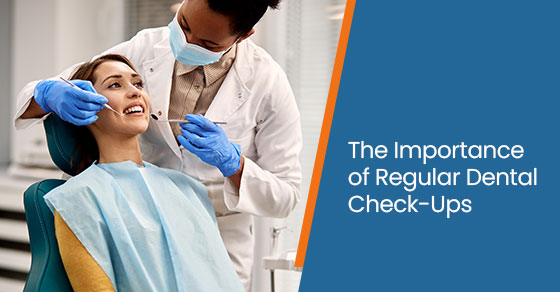
Professional checkups are still even essential even with the most rigorously used at home care. In order to keep optimal oral health, take the help of your dentist and dental hygienist.
Preventative:
By going for a check up every six months your dentist will be able to pick up and fix problems as they arise before they get worse. They can see tiny cavities, gum disease and other things you might otherwise miss. Simply, less invasive in fact, and less expensive treatments are often associated with early detection.
Deep Cleanings:
Professional cleaning is performed by the dental hygienist to remove plaque and hardened accumulation of plaque over the tooth called tartar which is impossible to be removed by brushing and flossing alone. Preventive cleaning is very important as it prevents gum disease and keeps the gums healthy. They also polish your teeth to make your teeth smooth and hence less prone to plaque build up.
During your checkup your dentist will carry out an oral cancer screening. An early detection of oral cancer offers successful treatment which is possible through this quick and painless examination.
Specific concerns: We discuss specific tips for a health smile.
Beyond the general rules there are some concerns which need special attention.
Sensitive teeth to hot, cold or sweets can also be a sign to talk to your dentist. On the other hand, they know how to recommend desensitizing toothpaste, fluoride treatments and can even discover the underlying issues such as gum recession or enamel erosion.
The most common cause of bad breath (halitosis) is some type of oral condition. The result can come from: poor oral hygiene, gum disease, dry mouth or even specified medical diseases. Sometimes, it can be resolved through regular brushing, flossing tongue scraping and professional cleanings. Talk to your dentist if it carries on.
If you grind your teeth (bruxism) at night, your dentist will recommend that you see a night guard to protect your enamel and to take the strain off of your jaw. Likewise, if you engage in contact sports you have to wear a mouth guard to prevent impact on your tooth.
Conclusion:
It’s something that you need to do right, in order to be able to get it done right. Achieving and maintaining a healthy smile takes work, but all the hard work is worth it. This is what Top Dental Care Tips: Your Guide to a Healthy Smile is about, preventing oral problems by persistently practicing these steps. Remember, that a beautiful smile gives you the confidence to make you more confident but above all, it’s an indication of a healthy foundation of the entire body. Make sure to brush and floss often, make food choices with this in mind, don’t forget to drink enough water, and never miss out on your professional dental check ups. Glad to say if you can embrace these practices, you will be basking in life time of healthy, radiant smiles. And these Top Dental Care Tips: Your Guide to Healthy Smile are not preachings, but they are your path to oral well being for life.
